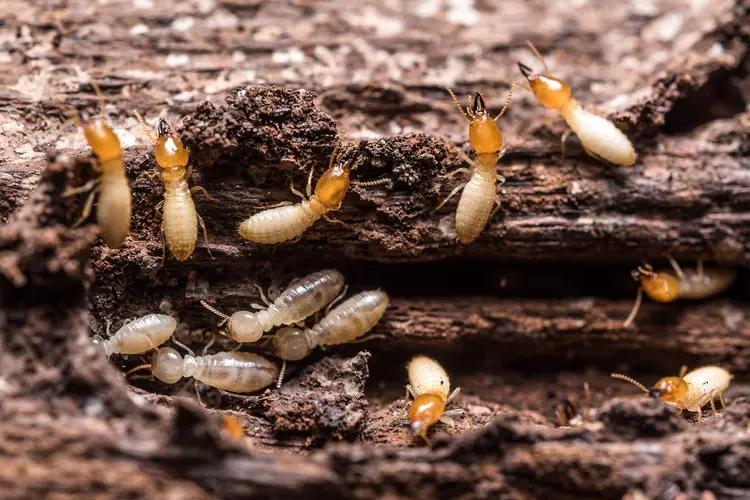
Termites are small, silent, and often unnoticed insects, yet their influence on both human structures and natural environments is immense. These tiny creatures are often associated with destruction, particularly the damage they cause to wooden buildings, but their role in the ecosystem is far more complex. Learning about termites is essential for homeowners, gardeners, builders, and anyone who wants to understand how these insects shape the environment around us. Their colonies operate with remarkable precision, and their ability to work together has fascinated scientists for decades. Although their presence can be harmful to human property, termites contribute positively to nature in many significant ways.
Termites are social insects, meaning they live in highly organized colonies with clearly defined roles 杜白蟻. Much like ants and bees, their colonies contain different castes, each responsible for specific tasks. Workers gather food, maintain tunnels, and care for eggs and young termites. Soldiers defend the colony from predators such as ants, one of their natural rivals. The reproductive termites, including the king and queen, are responsible for expanding the population. A single queen can lay thousands of eggs during her lifetime, making the colony grow rapidly. This strong social structure allows termites to operate efficiently, which is one of the reasons they are such successful organisms.
Most termites feed on cellulose, a major component of wood and plant materials. They have unique microorganisms in their digestive systems that help break down this tough material. This ability makes termites some of nature’s most effective decomposers. In forests and grasslands, termites break down dead trees, fallen branches, and other organic debris, returning nutrients to the soil and helping maintain a healthy ecosystem. Without termites, the natural recycling of plant matter would slow dramatically, affecting soil fertility and plant growth. Their role as decomposers highlights their importance in nature, even if their habits become problematic when they interact with human structures.
Although termites have positive ecological roles, they are best known for the damage they cause to buildings, furniture, and wooden structures. Many homeowners are unaware of termites until significant damage becomes visible. Because termites work inside wood or underground, they can remain hidden for months or even years. The early signs of termite activity can be subtle. Hollow-sounding wood, small mud tubes along walls or foundations, and tiny piles of what looks like sawdust may all indicate infestation. By the time these signs appear, termites may have already caused considerable structural damage.
Understanding why termites attack homes is essential for prevention. Termites thrive in moist environments, and they are drawn to any wood that has become damp due to leaks, poor ventilation, or soil contact. They use moisture to survive and to build the mud tunnels that protect them from sunlight and predators. Homes with poor drainage, leaky roofs, or unsealed foundation cracks become ideal environments for termites. Once inside, they can move through wooden beams, floors, and walls, feeding continuously and expanding their colony. Regular inspections and proper home maintenance can significantly reduce the likelihood of termite intrusion.
There are several types of termites that affect different regions, but the most common include subterranean termites, drywood termites, and dampwood termites. Subterranean termites build colonies underground and require moisture from the soil. They are responsible for most termite-related structural damage. Drywood termites live entirely inside wood and do not need contact with soil, making them especially dangerous in warm coastal areas. Dampwood termites, as their name suggests, feed on wood with high moisture content and are usually found in decaying logs or poorly maintained structures. Recognizing the type of termite helps determine the best method of treatment and prevention.
Effective termite control combines prevention, monitoring, and targeted treatments. Preventive measures include reducing moisture around the home, fixing leaks quickly, sealing cracks in foundations, and keeping firewood or mulch away from exterior walls. Professional pest inspectors use tools such as moisture meters, infrared cameras, and bait systems to detect termites before serious damage occurs. When an infestation is discovered, treatment options may include liquid termiticides, bait stations, heat treatments, or fumigation depending on the severity and species involved. While homeowners can take steps to reduce risk, professional treatment is usually necessary for complete elimination.
Termites also serve as indicators of environmental health. In natural environments, their tunnels improve soil structure by increasing air flow and water movement. This benefits plants by helping roots grow more efficiently. The presence of termites in forests often signals a healthy balance between decay and growth. In some parts of the world, termite mounds are so large and sturdy that they influence landscape temperatures and soil patterns. These mounds create microhabitats for other organisms and contribute to biodiversity. Their ability to adapt and engineer their environment demonstrates the surprising intelligence found in their social behavior.
Another fascinating aspect of termites is the way they communicate and work together. Termites use chemical signals called pheromones to guide their activities. These chemicals can indicate where food is located, warn of danger, or help maintain order within the colony. Their sensitivity to these signals allows them to coordinate complex tasks without the need for a central leader. Scientists study termite communication and building techniques to inspire new ideas in robotics, engineering, and architecture. The way termites construct temperature-regulated mounds, for example, has influenced designs for energy-efficient buildings.
As urbanization increases and natural habitats shrink, human interactions with termites become more frequent. It is important to strike a balance between protecting homes and recognizing the role termites play in the environment. Eliminating termites entirely from a region would disrupt ecological processes, but managing their presence near human structures is vital. Education about termites helps communities make informed decisions about pest control and conservation. By understanding both their destructive capabilities and ecological benefits, people can develop strategies that respect nature while safeguarding property.