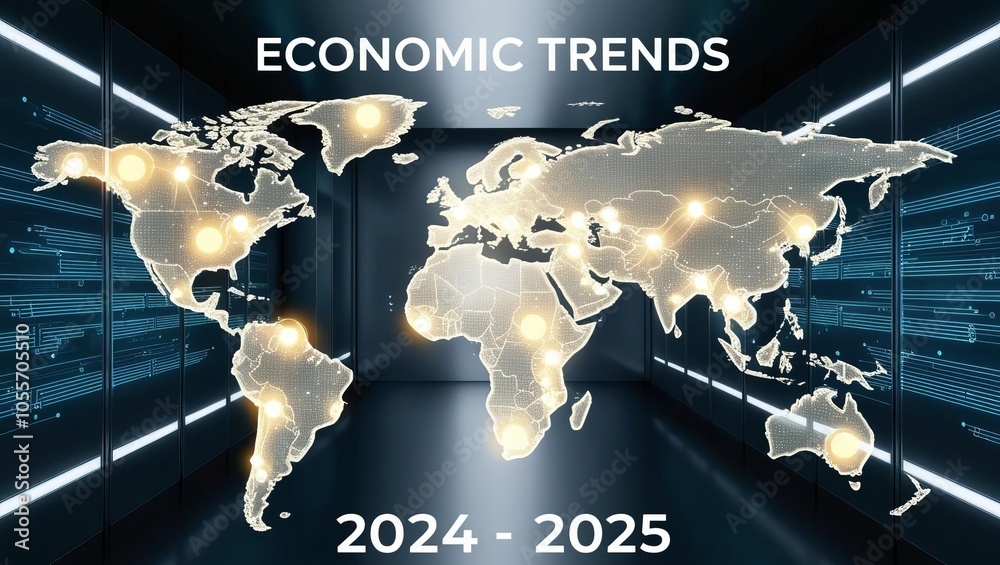
Top 10 Entrepreneurship Shifts Powering Business Growth In 2026
Entrepreneurship has always been reflective of the times it is in, and shaped by the available technology, lifestyles, economic conditions toward risk, as well as the problems that need to be addressed. The 2026/27 startup landscape is being defined by a distinctive combination of forces: innovative new tools that dramatically cut the cost of establishing a business, a maturing global financing ecosystem, and an array of truly massive challenges in the areas of climate, health infrastructure, and climate that have attracted the attention of entrepreneurs. These are the top ten startups and entrepreneurship patterns that are driving worldwide growth in the coming years of 2026/27.
1. AI is a significant reduction in the cost Of Starting A Company
The hurdle to creating functional software has dropped in a dramatic manner. AI tools now take care of significant portions of software design, design, marketing copy, customer service, and financial modelling which in the past required the use of large sums of money or a large founding team. A small-sized team with minimal resources can build a functioning prototype, establish a marketing presence and begin acquiring customers in a fraction of the time it took five years five years ago. It is leading to a wave of smaller, faster-moving startups and is accelerating competition in many areas, but it is also making entrepreneurship accessible to a larger number of people.
2. The Solo Founder and Micro-Startup Rise
Closely linked to the artificial intelligence-driven reduction in startup expenses is the increasing number of founders who are solo and the microstartup, business built and run by one or two people that would have required at least ten people decade earlier. AI handles the customer experience, creates content, writes code, and oversees the day-to-day operations, while a single founder concentrates on relationships, strategy, and product direction. The fastest-growing new firms in 2026/27 are astonishingly small-sized operations generating significant revenues without the headcount that has typically been linked with scale. The concept of what an ideal startup has to look like is being rewritten.
3. Climate Tech Attracts Record Entrepreneurial Attention
The intersection between urgent planetary needs and the availability of substantial capital has made climate technology one of the fastest-growing areas of startup activity across the globe. Green hydrogen, energy storage, sustainable agriculture, carbon capture and climate adaptation infrastructure as well as the software systems required for managing the energy transition are all attracting founders, as well as investors in large quantities. The governments that support the sector through procurement commitments and policy support have reduced the risk associated with early-stage investment in the ways which make climate technology more attractive compared to other categories of deep technology. The idea that this is the only place where important problems can be solved is attracting experts as well as capital.
4. Emerging Markets Inspire More Globally Important Startups
The geographic geography of entrepreneurship is changing. Startup platforms in Southeast Asia, Latin America, Africa, and South Asia are maturing, resulting in companies that aren’t simply local adaptions of Western designs but truly unique responses to the specific conditions of the market. Fintech serving people without banks and agritech that addresses the issue of food security, as well as health tech building infrastructure where traditional systems aren’t present have all led to businesses at significant scale. Investors from around the world who had previously focused exclusively on Silicon Valley, London, and a handful of other renowned hubs are paying more attention to the development happening around Nairobi, Lagos, Jakarta, and Bogota.
5. Vertical AI Startups Find a Product-Market Fit that is Strong
The initial surge of AI enthusiasm led to the creation of a vast number of horizontal tools competing using broadly similar capabilities. The most durable option is proving to be vertical AI businesses that develop highly specialized AI tools for specific fields or workflows. Legal document analysis for medical imaging interpretation, construction site monitoring and financial compliance automation and agricultural yield optimisation are just some of the areas where AI products trained on domain-specific data and designed to meet the specific requirements of one particular user are finding strong product-market fit and genuine defensibility against the larger generalist competition.
6. The Revenue-Based Financing Program is a viable alternative to Venture Capital
There are many startups that do not fit to the concept of venture capital which is a prerequisite for rapid scale and an eventual exit. Revenue-based financing in which investors are able to offer capital for a portion of future revenue rather than equity, has been growing rapidly in popularity as an alternative financing method. It’s particularly well suited for growing, profitable businesses which do not require or would prefer the risks and risk in traditional VC. The development of this model is part of the larger diversification of the financing environment that makes entrepreneurial ventures feasible for a greater spectrum of businesses and creator profiles.
7. Social-Led Growth Replaces Traditional Marketing
The costs of paid customer acquisition have been increasingly difficult as digital advertising costs have been rising and the trust of consumers with traditional marketing has declined. The most efficient growth strategy for the growing number of startups in 2026/27 involves building genuine communities around their product, turning early users to advocates, contributors and distributors. The growth of communities requires a different type of investment in relationships, content, and the will to create something that people would like to be part of, but it creates loyalty among customers and organic development that is difficult for paid channels to replicate.
8. and Longevity Tech. And Longevity Tech Attracts Serious Capital
Interest in prolonging the lifespan of healthy individuals has moved from being a fringe of Silicon Valley obsession into a legitimate and rapidly growing area of startups. Innovative advances in biological research diagnosis, personalised medicine and the technology infrastructure to monitoring and intervening with the aging process are all attracting significant investments. Health startups that offer personalised nutritional advice, hormone optimization pre-emptive diagnostics, cognitive performance tools are finding significant and growing markets with groups of people willing to invest in their health over the long term.
9. Regulatory Technology Grows As Compliance Complexity Grows
The regulatory environment facing businesses across healthcare, financial and other services as well as environmental reporting, and employment is growing more complex across all major markets. This is causing a huge need for technology that will help organizations to manage compliance effectively. Regtech startups developing tools for automated reports, real-time monitoring of regulations risks management, audit track generation are booming and are often working with regulators themselves to define what compliance-related solutions look like. Compliance burden, which is often seen in isolation as a expense, has become a key driver for real business opportunity.
10. Purpose-driven entrepreneurialism Attracts The Most Talented Talent
The most skilled people who will enter the workforce in 2026/27 will have more choices than the previous generation as a growing number of them are opting to work on problems they believe need to be addressed rather than merely optimizing the compensation. Startups that are solving genuinely big issues in health, education the climate, financial inclusion and infrastructure are constantly surpassing commercial businesses that are purely focused on top talent when they can provide mission-based alignment with competitive conditions. The founders who have a compelling argument for why their company’s purpose is not only financial returns are finding this to be more than it’s own values declaration but can be an actual recruitment and retention advantage.
The startup scene of 2026/27 offers more diversity geographically and more easily accessible. It is also more focused on tackling actual problems than at past times in the development of entrepreneurship. The tools available to entrepreneurs have never been as powerful as well as the capital available to back ambitious plans, while less selective than at the height of the era of easy money remains significant. Anyone with a real problem to solve and the determination to develop a solution around it, the circumstances are better than they’ve ever been. For further context, browse a few of these trusted For further info, check out the leading diariosevilla.es/ and get expert coverage.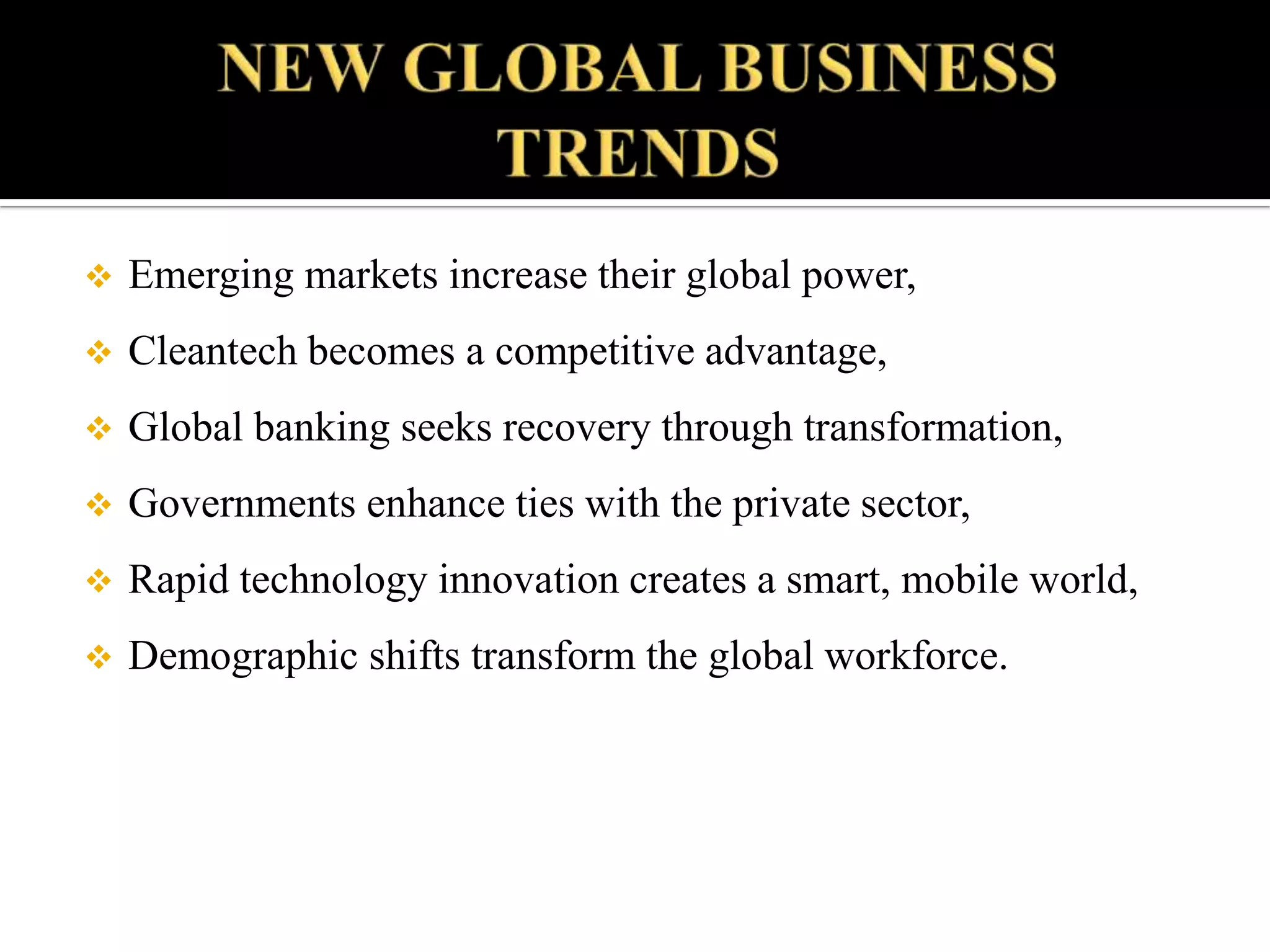
The Top 10 Family Shifts Every Family Today Should Know About In The Years Ahead
The way we parent has always been influenced by the social, economic and technological setting in which it takes place, but the environment of 2026/27 is distinct in a way that is producing both new pressures and new possibilities for families. The present landscape for parents includes a digital environment that is of a new complexity, a changing understanding of child development and health issues, massive economic pressures affecting family lives and a cultural shift in which many assumptions are being challenged regarding how children should be raised. Here are ten parenting practices that any modern family must be aware of as they enter 2026/27.
1. Screen time can be used to Quality Screen Conversations
The debate about kids and screens has grown beyond the blunt metric of total screen time, and has evolved into more nuanced discussions of what children actually do while on the screen, with whom and with what context. Researchers are increasingly separating passive consumption and interactive engagement as well as creative production, and social connection via technology, as well as observing that these have significantly different developmental implications. Teachers and parents are moving from imposing limit on hours, which is difficult to sustain towards children’s capability to engage with digital content mindfully, with purpose, and with healthy boundaries Skills that will benefit children far better than a strict restrictions that stop when parental oversight is removed.
2. Mental Health Awareness transforms how Parents Respond to Children
The substantial increase in public mental health literacy over the last decade is changing how parents evaluate and respond to the emotional and behavioural challenges of their children. The effects of neurodevelopmental disorders, anxiety as well as emotional dysregulation and the effects of negative experiences are all being interpreted more thoroughly by a generation of children that has been benefited by more open discussions about mental health. This has led to the gradual recognition of problems, less stigma in seeking help, and parenting strategies that prioritize emotional attunement and mental safety as well as the traditional developmental milestones. Children’s mental health services are under severe pressure in the majority of countries. However, the pressure that is driving it has seen a significant improvement regarding awareness and assistance seeking.
3. The Pressures Of Intensive Parenting Are Increasingly Refusal
The concept of intense parenting, characterized by intense involvement of parents in all aspects of a child’s life, full calendars of activities, continuous stimulation, and the notion of childhood as an ongoing project to be optimized has been sparked by significant cultural resistance. Research has shown the benefits of unstructured play, the developmental importance of boredom and the dangers of over-scheduled families for stress as well as autonomy development, as well as the unsustainable stress that intensive parenting puts on parents themselves is reaching mass audiences. It is not a call to inattention, but towards a shift that gives children more space with more autonomy and more chance to work through challenges in their own way, which is a prerequisite for resilience.
4. Technology has shaped both the challenges and tools Modern Parenting
Digital technology is one of the biggest issues facing parents and is among the more effective tools available to support parenting. AI-powered learning platforms can tailor education so that they can help children with various needs. Communities online connect parents facing similar challenges by sharing experiences with information, support, and empathy. Tools for monitoring and safety give parents an understanding of the online world they’re children. However, social media pressures on children and the challenge of establishing and maintaining boundaries for digital use across an ever-growing network of connected devices, and the complexity of the task of preparing children for a technological world that is also changing rapidly, all of these represent truly new parenthood challenges that don’t have a playbook.
5. Co-parenting As Well as Diverse Family Structures Can Be Normalized
The diversity of family structures for children in 2026/27 has been greater than at any time before, and the cultural and institutional frameworks that surround the family are unevenly but effectively, evolving in line with this reality. Co-parenting arrangements in the aftermath of a relationship break-up as well as families with a same-sex partner, single-parent households, blended families, and multi-generational households are all represented in substantial numbers. The primary factor that determines positive child outcomes across every single one of these is what is the level of relationship as well as the quality and stability of the surroundings, not the specific form of the group. The support and advice given to parents and even community have been refocused to this perspective rather than an individual normative model of the family.
6. Fathers and Caregivers who are not primary take On more active roles
The way caregiving is distributed within families is shifting, influenced by shifting expectations within the family, more equitable parental leave policies in a variety of countries, flexible working arrangements that make active fatherhood more realistically achievable, and also Generations of men who are looking forward to more involvement in the lives of their children, as opposed to the normative experience previous generations had. The shift is partial and uneven across different the socioeconomic, culture, and geographic environments, but the direction is evident. Research consistently proves benefits for families, mothers, fathers and families when caregiving is more equitably distributed, resulting in a solid argument for the culture movement.
7. Financial Pressures Reshape Family Decision-Making
The financial pressures that families face throughout 2026/27 affect decisions about family size, childcare schools, housing and the distribution of work paid and non-paid by revealing patterns across the statistics. In a wide range of countries, costs for childcare are a major component of household income that makes working full-time financially unaffordable for the parents in households with dual incomes, particularly at lower income levels. Housing costs affect decisions about the places families reside in and how the amount of space that children grow up in. The aspiration to provide children with opportunities and experiences that previous generations had taken for granted is now coming up against realities in the economy that require a difficult decision-making process. Financial stress within families is consistently a predictor of poorer results for children, which makes the economics of parenting to be a major concern for policy as more than a personal one.
8. Nature And Outdoor Experience Become Deliberate Parenting Priorities
Children growing to age in increasingly digital urban, indoor and outdoor environments has prompted significant parental and educational efforts to ensure that children have meaningful contact with natural surroundings as a top priority rather than an incidental outcome. The research base on the development, psychological, as well as physical benefits of a regular exposure to nature and outdoor activities for children is substantial and increasing. Forest school programmes along with outdoor education as well as the simple idea of prioritising outdoor time are all responses to the idea that children’s relationship to the physical world has to be actively developed instead of accepted in the world that many families inhabit.
9. Educational Philosophies Change Beyond Conventional Schooling
Parental involvement with alternative education to traditional schooling has increased substantially. The home education model, democratic schools and Montessori schools, Waldorf methods, hybrid models mixing home education and group education, and even microschools which cater to smaller groups of families are all attracting parents who believe that traditional schooling does not serve their children’s interests, needs or learning styles properly. This pandemic proved to many families that learning can be achieved effectively even in the absence of conventional schooling in a number of cases, and many of those families have not been able to return to the traditional model. Educational technology makes resources open to alternative educational approaches more than they were at any time before thus reducing the practical barriers to educational experimentation.
10. “The Village” Model Of Childraising Finds A Modern Model
The loss of families’ extended networks and stable community, and informal support systems which traditionally provided support to families who were raising children has left parents feeling secluded and unable to fulfill the tasks that they used to share more widely. The search for new versions of the community, groups which share resources, support, and presence to each other’s lives is creating new forms of intentional community as well as cooperative childcare arrangements and neighborhood networks that are based on sharing parenting support. The internet and the tools to connect parents facing similar challenges offer the possibility of a partial replacement, but the most effective solutions are those that promote physical closeness and ongoing commitment between families who choose to raise children in genuine family with one another.
The parenting of 2026/27 will be demanding rewarding, fulfilling, and more conscious than at previous times in the past. The changes above don’t give a single method to raising children, because no such thing exists. What they indicate is a mindset that is taking more critically, more openly as a whole about what children should need to thrive, and searching with genuine intent for the conditions interactions, the right environment, and relationships which can help them thrive. To find further information, explore a few of the best newsdeskly.com/ to learn more.